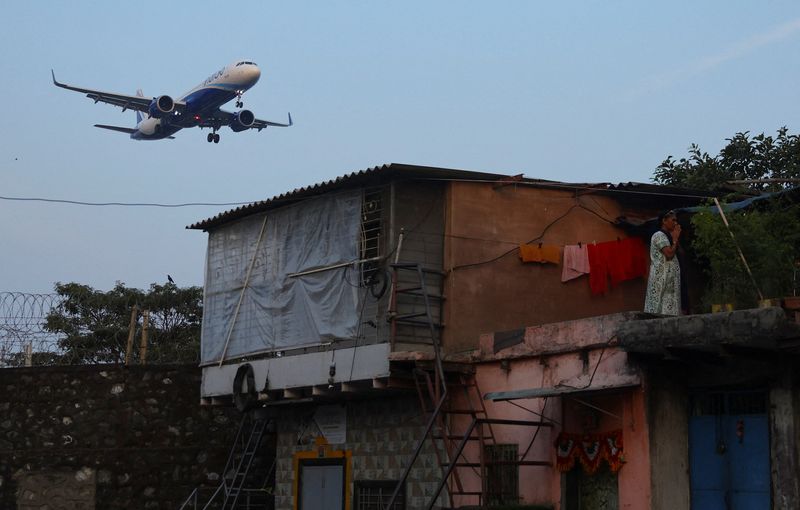
India recently witnessed one of its biggest aviation disruptions — and this time, it wasn’t due to weather. IndiGo, the country’s largest airline, faced a massive operational breakdown that led to widespread flight cancellations and delays, leaving thousands of passengers stranded across major airports.
Let’s break down what happened, how bad it got, and what it means going forward.
😣 What Actually Went Wrong?
The crisis began when new government norms around FDTL (Flight Duty Time Limitation) — which regulate pilot and crew working hours — were enforced more strictly.
While these norms are essential for safety and reducing fatigue, IndiGo was not fully prepared, especially during a busy travel period. Overnight:
- Pilots were moved to mandatory rest
- Crew availability dropped sharply
- Schedules collapsed like dominoes
With not enough pilots to operate flights, one cancellation led to another — soon turning into a nationwide aviation meltdown.
🛫 Impact on Passengers
Travellers faced:
- Cancellations at short notice
- Long queues at airports
- Confusing or missing communication
- Sky-high ticket prices on alternate airlines
- Baggage delays and major travel plan disruptions
Many business trips, vacations, exams, and family events were ruined — adding emotional stress to financial loss.
🏛️ How the Government Stepped In
Seeing the growing chaos, authorities acted fast:
- Temporary relaxation of pilot duty rules to restore operations
- Orders to clear refunds quickly
- No rescheduling fees for impacted passengers
- Monitoring airline communication and service quality
- A review ordered to find out why planning failed
Railways and other airlines also stepped up by adding capacity on key routes.
🔍 The Bigger Picture — What This Reveals
This incident exposed some harsh truths about Indian aviation:
| Issue | What it Means |
|---|---|
| Lean crew staffing | Cost-cutting makes airlines vulnerable to sudden changes |
| High demand + winter fog season | Even a small disruption becomes huge |
| Communication gaps | Passenger trust can collapse quickly |
| Regulatory reforms | Safety improves — but airlines must adapt |
Airlines will now need stronger manpower buffers and better crisis management to avoid a repeat.
👤 What Should Passengers Do Now?
If you’re flying soon:
✔ Check flight status repeatedly before leaving home
✔ Keep alternative transport (train/bus) as backup
✔ Know your refund and rescheduling rights
✔ Carry essentials for long airport waits
✔ Prefer refundable tickets in uncertain times
🔮 When Will Things Return to Normal?
IndiGo has said operations will stabilize gradually as crew schedules are rebalanced and more pilots are moved to active duty. Full normalcy may take a few weeks, depending on demand and weather.
In the long run, airlines may reduce unnecessary flights, hire more crew, and focus more on safety and reliability than aggressive expansion — a win for passengers.
📝 Final Thoughts
This disruption wasn’t just a bad week for IndiGo — it was a wake-up call for India’s entire aviation ecosystem.
- Safety rules are non-negotiable
- Planning must improve
- Passengers deserve transparency
If airlines and regulators learn the right lessons, the future could be smoother — even if tickets get a bit costlier.